
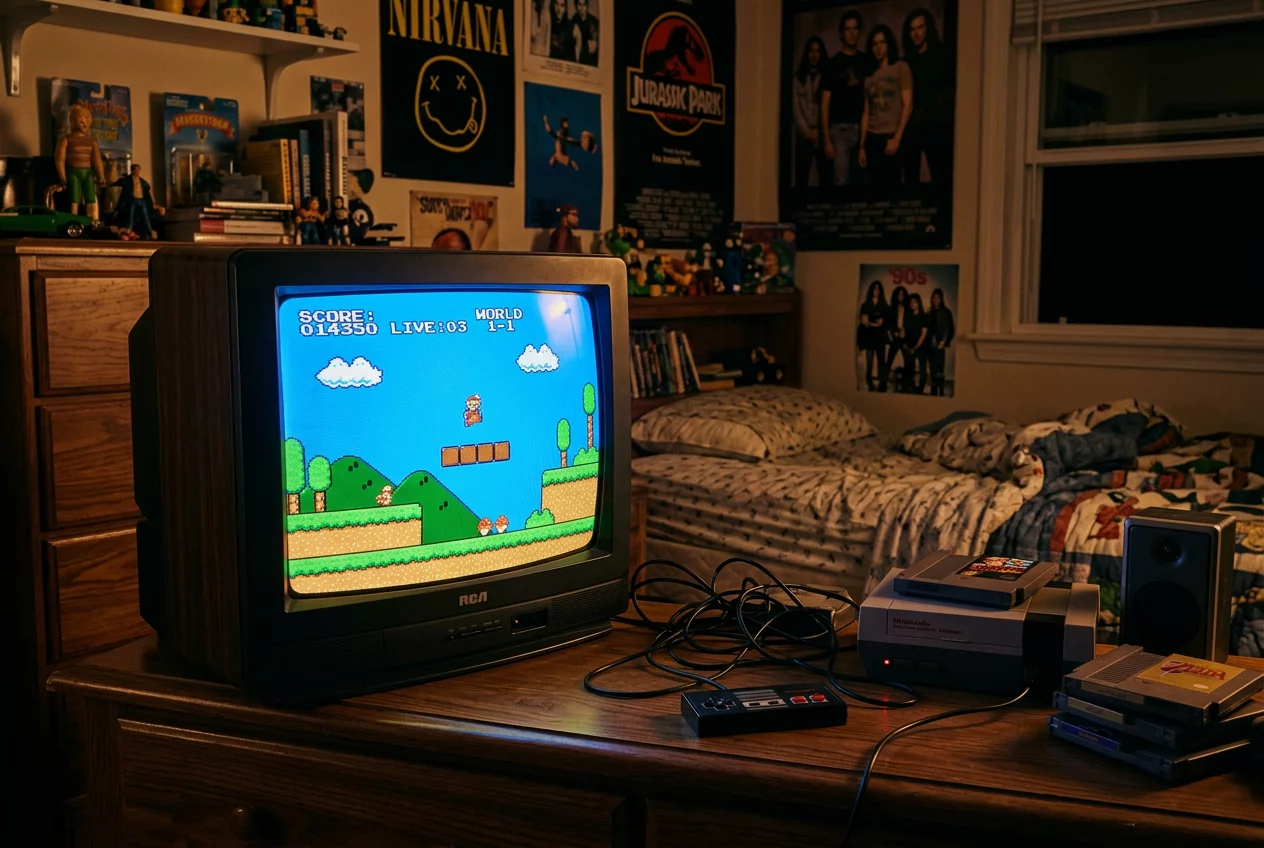
The Allure of the Pixel
Retro adventures are essentially about the purity of mechanics. In an age where modern titles often lean heavily on photorealistic environments and complex cinematic narratives, the games of the 8-bit and 16-bit eras relied on a singular focus: movement and obstacle resolution. These games demanded precision. Every jump had to be calculated, and every enemy pattern memorized.
The screen of a classic CRT television didn't just display images; it breathed life into a series of squares and sprites. This visual abstraction allowed players to use their imagination more actively than they do now. A handful of pixels wasn't just a protagonist; it was a hero embarking on a dangerous quest through enchanted forests or mechanical fortresses.
The magic of retro gaming lies in its constraints. Without the ability to render millions of polygons, developers focused on creating iconic soundtracks and tight controls that still feel responsive decades later.
Exploring the Mechanics of the Classics
It is fascinating to observe how early developers utilized hardware limitations to innovate. For instance, the use of color palettes to represent different times of day or the clever parallax scrolling that created an illusion of depth in a 2D space. These techniques were not just visual flourishes but integral parts of the world-building that kept players coming back.
Whether you were navigating the difficult platforms of a castle or scouring a top-down world for hidden secrets, the sense of accomplishment remained constant. These games did not hold your hand. They provided the tools, established the rules, and then stepped back to let the player struggle and eventually succeed.
NES / Famicom Classic
September 1985
- Pixel-perfect collision detection
- Chiptune melodic soundtracks
- Non-linear world exploration
- Hidden secret rooms
Nora Finch
25/05/2026I like that this piece treats adventure games as worlds with texture, not just routes to a final boss. The nostalgia feels earned.